One of my earliest theoretical curiosities in the field of cinema concerned the relationship between the act of watching a film and the mirror-like quality of this medium for the spectator. At the same time as I was studying Jacques Lacan’s theories, which then formed the dominant framework of my thinking, the following question arose: can the spectator’s engagement with cinema be analyzed in conceptual relation to Lacan’s notion of the “mirror stage”? This question marked the starting point of a reflective inquiry into the mechanisms of subject recognition, distancing, and the role of desire in cinematic experience.
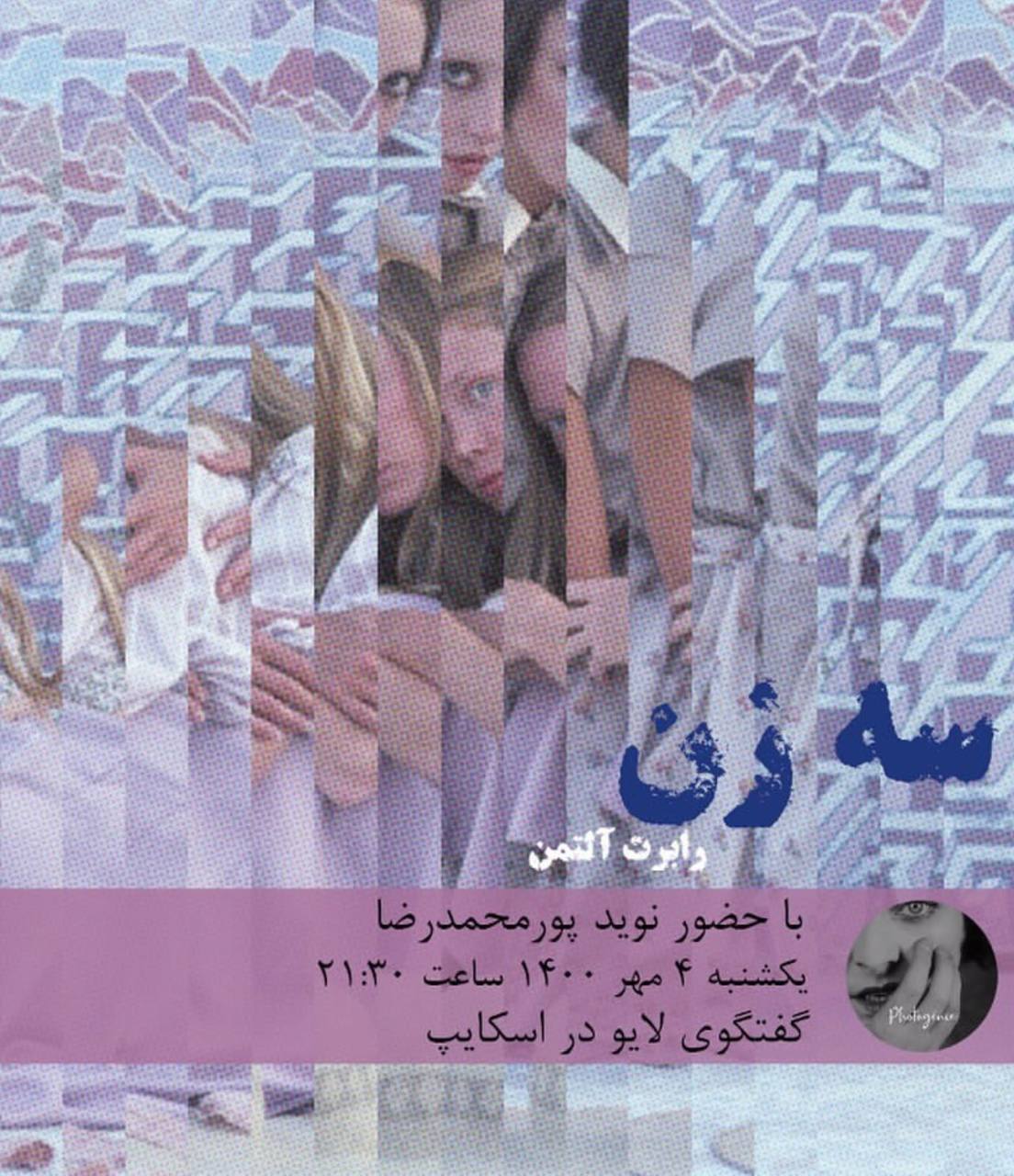
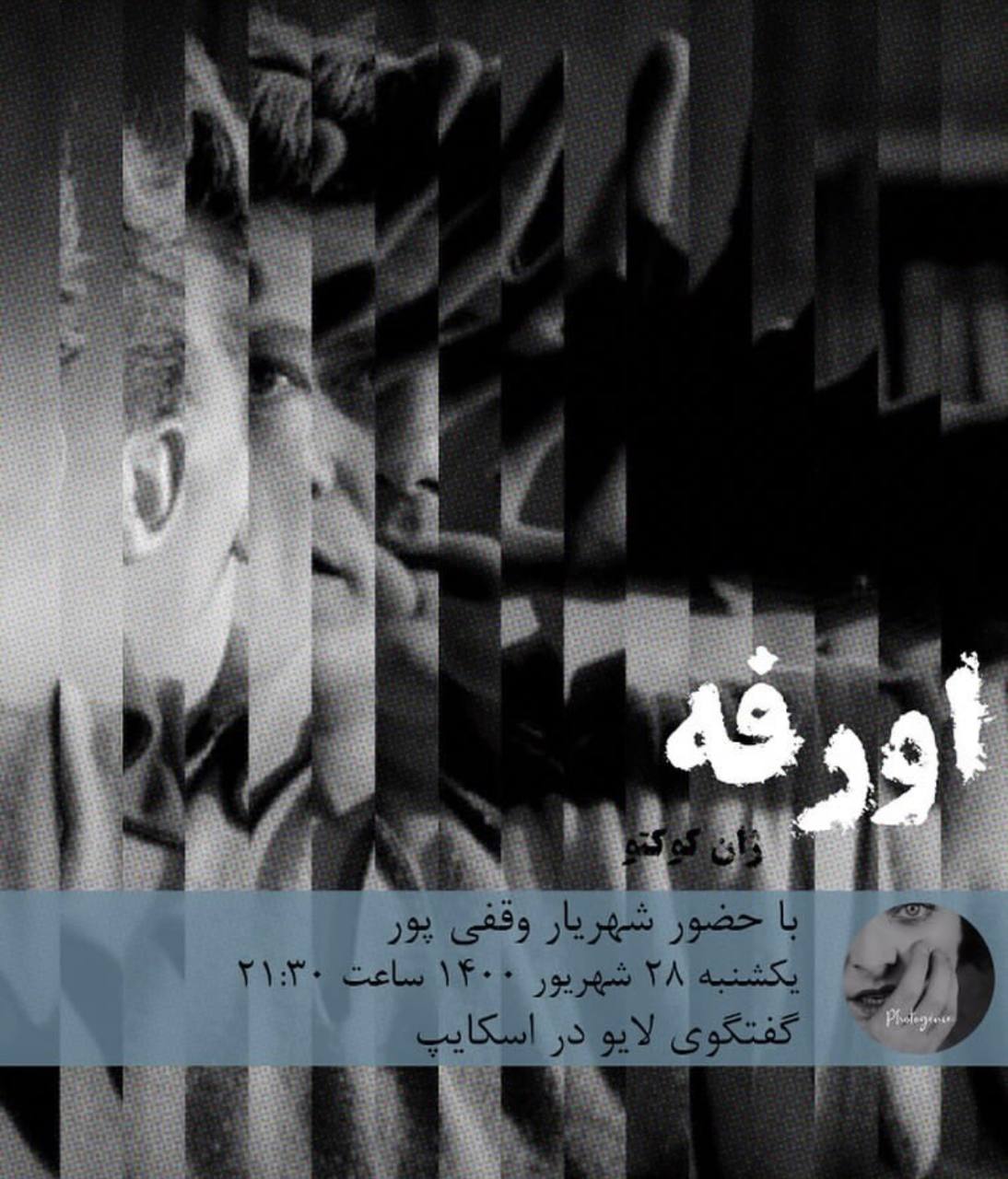
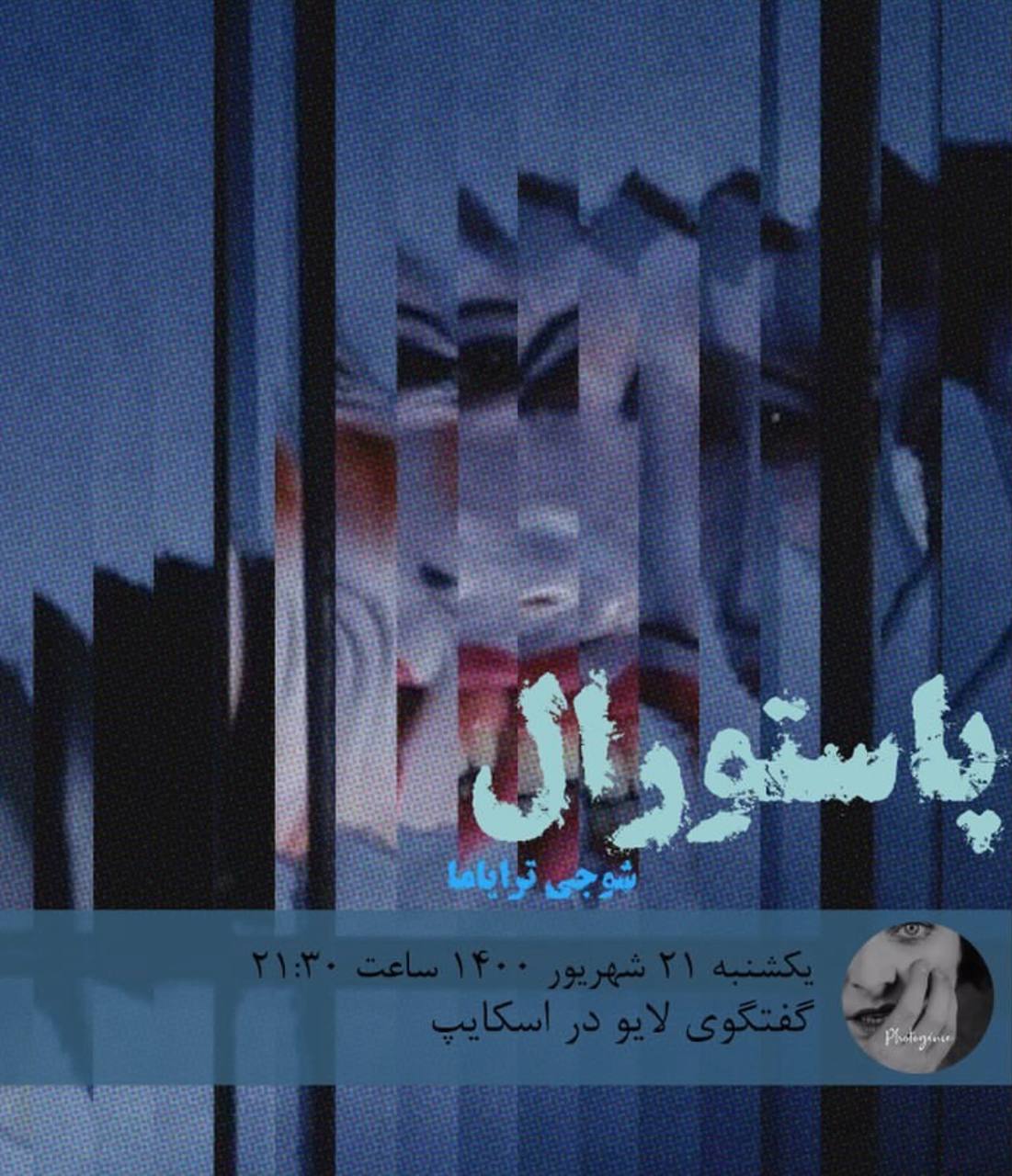
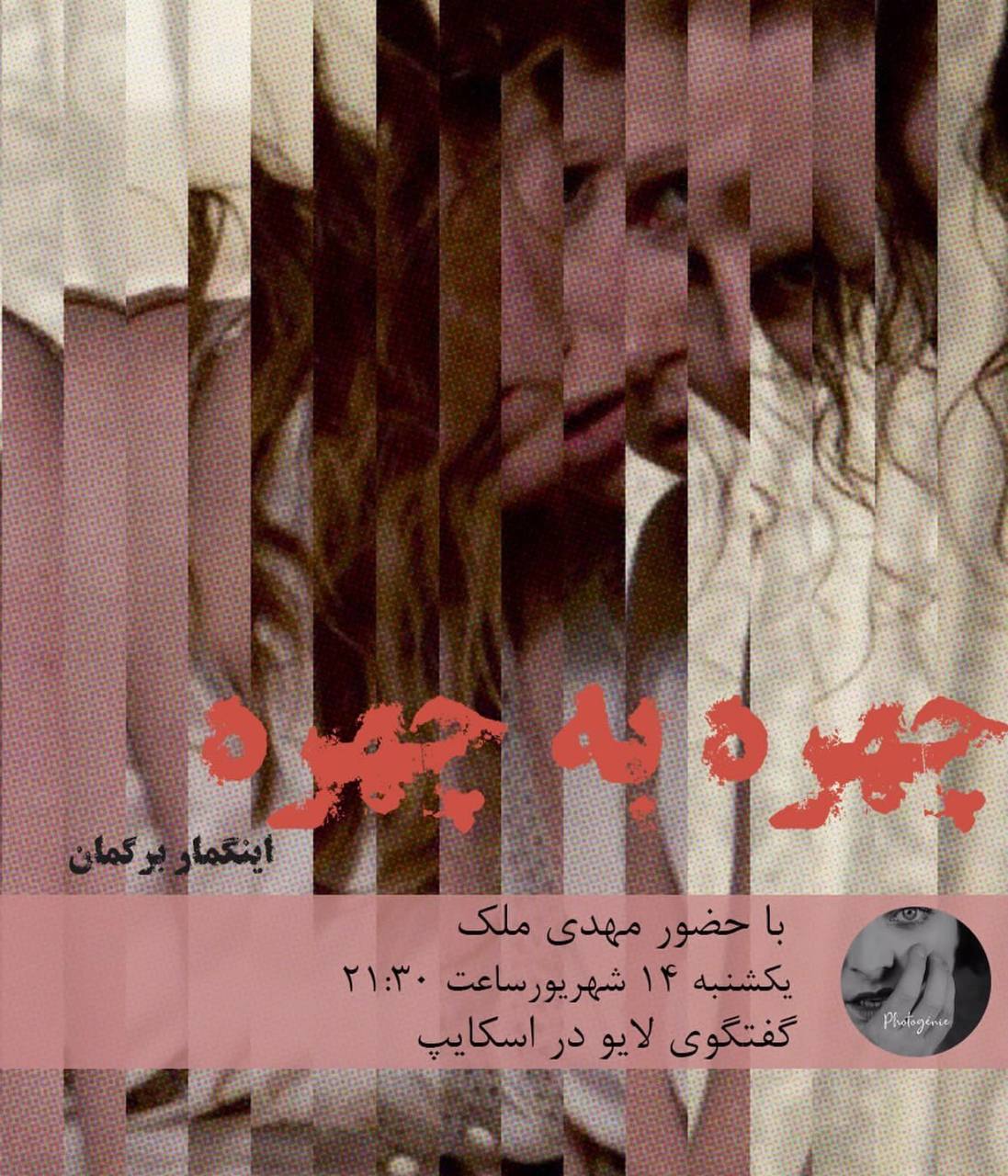
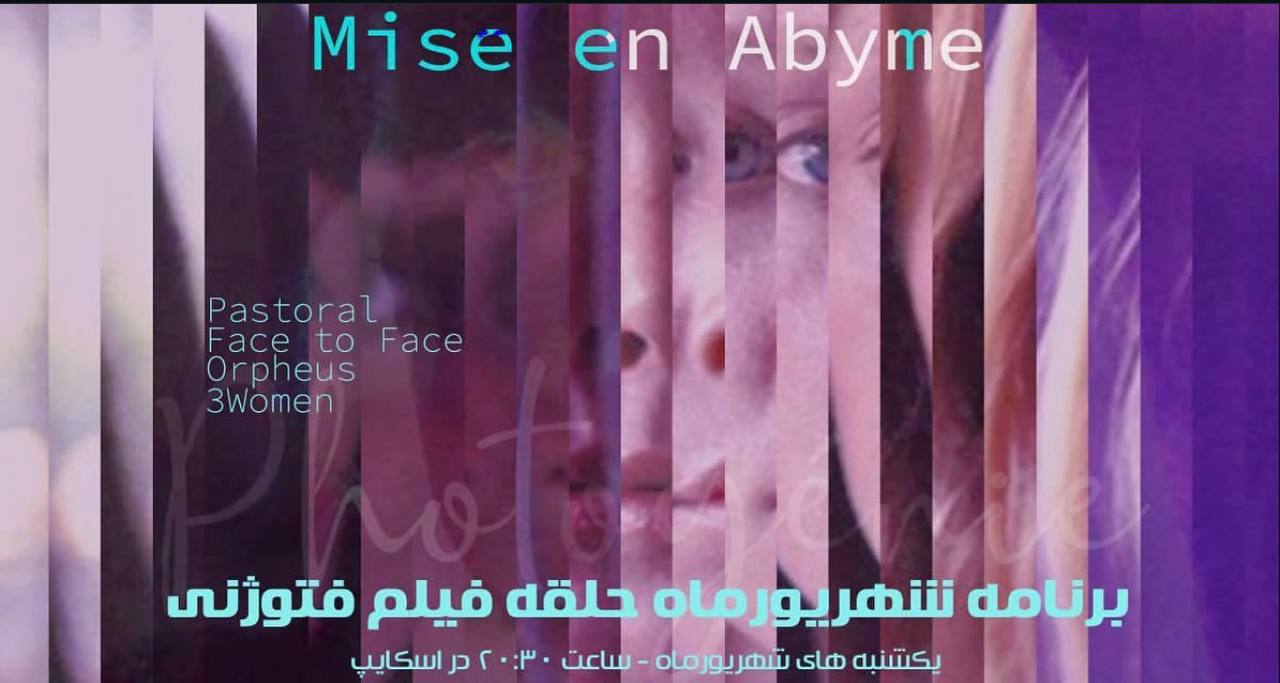
Pursuing this question led to the creation of a research-discussion series in collaboration with my colleagues at the “Photogenic Film” circle. The series, entitled Mise en abime, took place across four sessions, each centered on one selected film, and each session invited guest scholars to discuss the relationship between the spectator, the image, and representation. Simultaneously, efforts were made to move the questions raised in these discussions beyond the conversational level and to articulate them in the form of analytical texts.
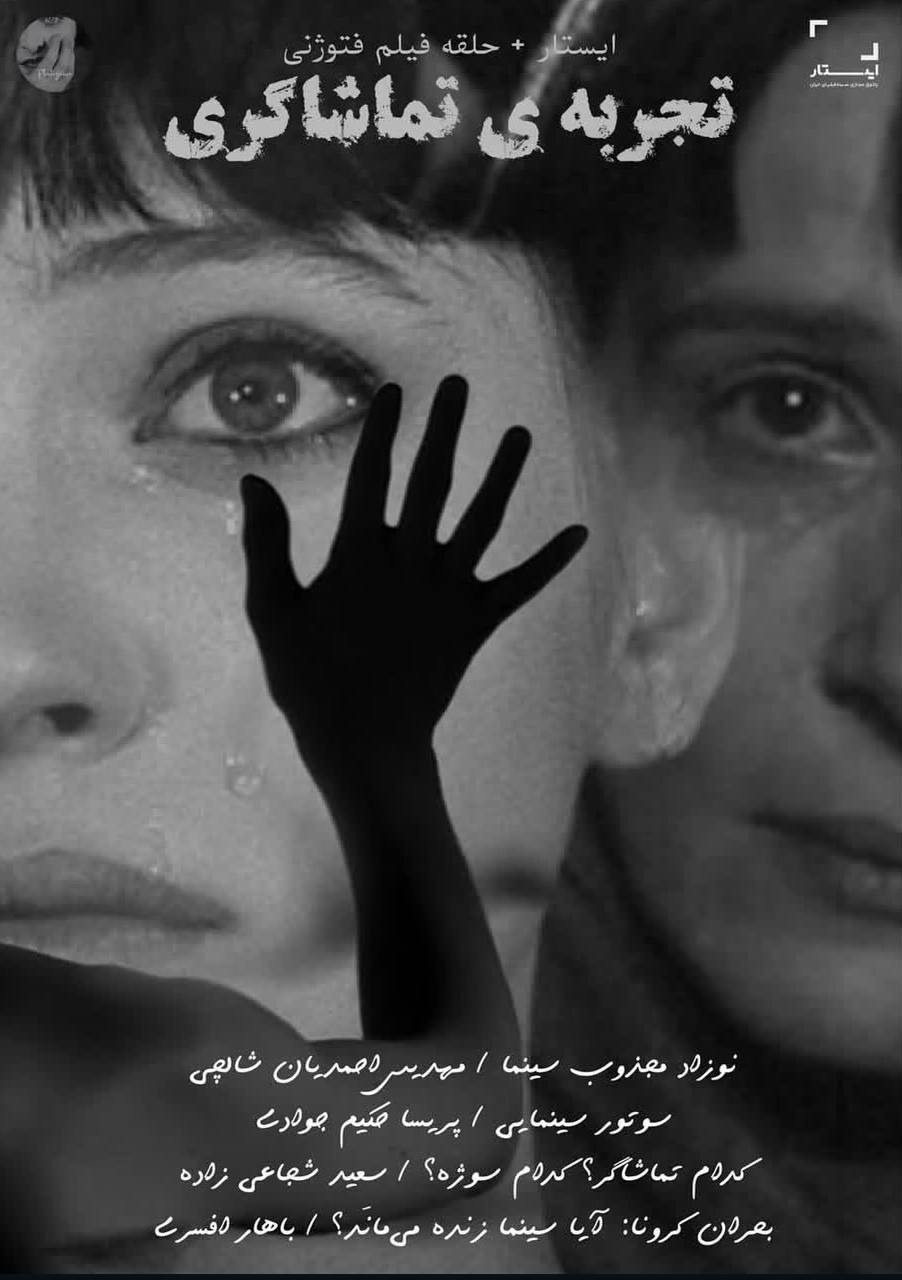
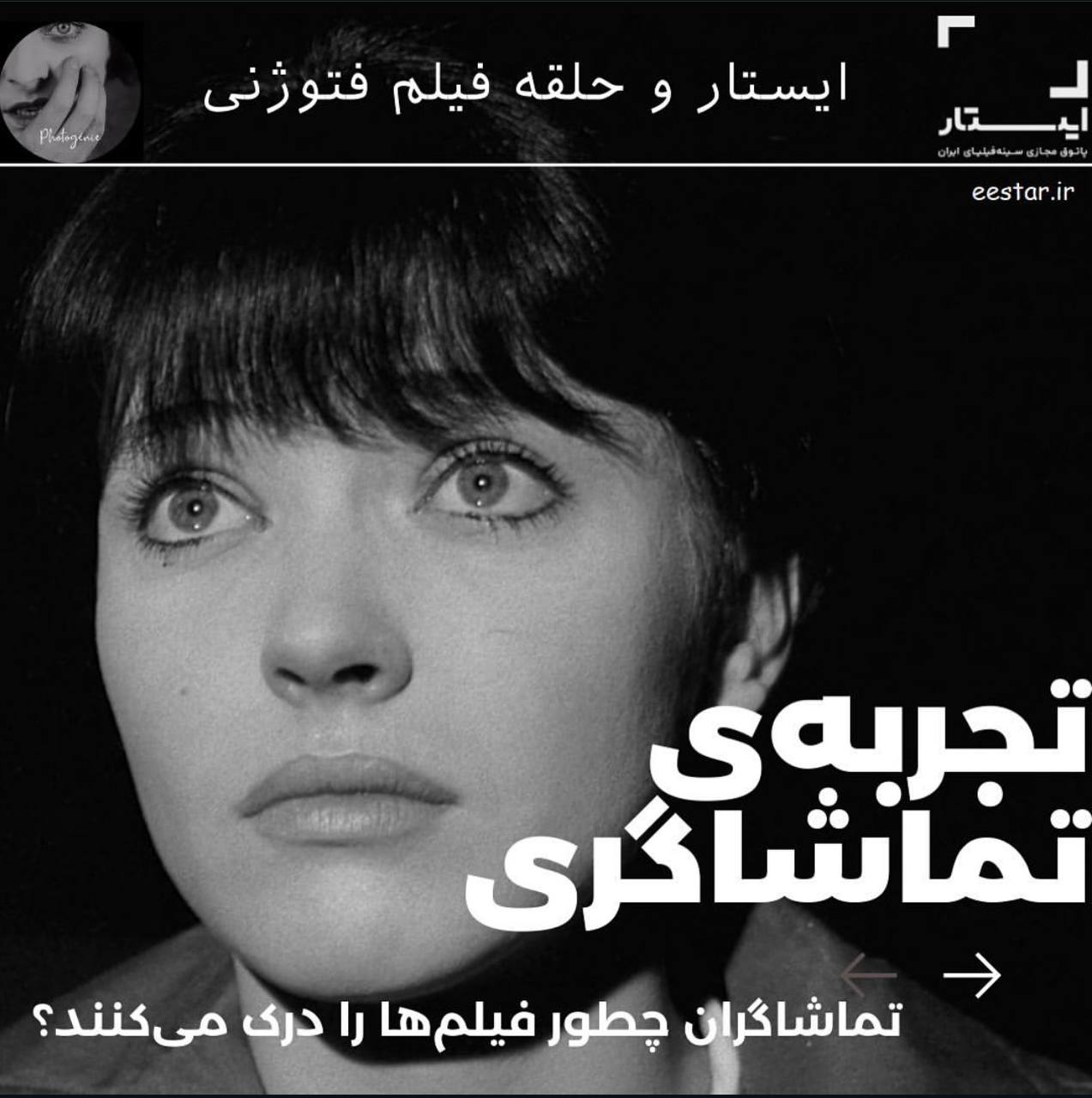
Accordingly, a collection of analytical writings was published in the online journal Eestar as part of a dedicated dossier. These texts sought to examine the spectator’s experience in relation to the fundamental, irreducible distance between object and subject, and to explore cinema’s capacities and limitations in confronting this distance.
A passage from these writings reads as follows:
“This irreversible distance from the object to the subject is an irreducible measure that distinguishes representation from reality. It is precisely this distance that cinema at times seems able to overcome. Siegfried Kracauer explains that a ‘devoted cinema fan’ is someone alienated from the material world, someone who hopes to recover in the dark of the screening room what has been lost elsewhere: the coarse and impenetrable presence of natural objects.”
The full text of this dossier can be accessed via the following link: https://www.eestar.ir