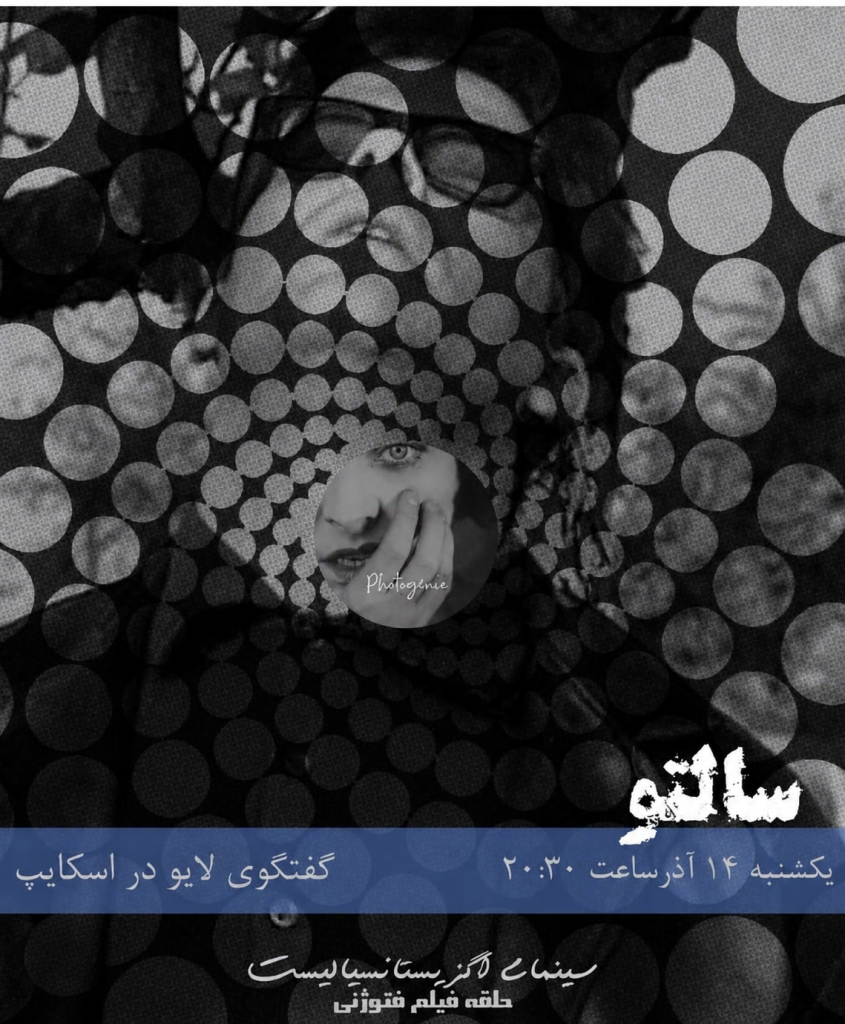
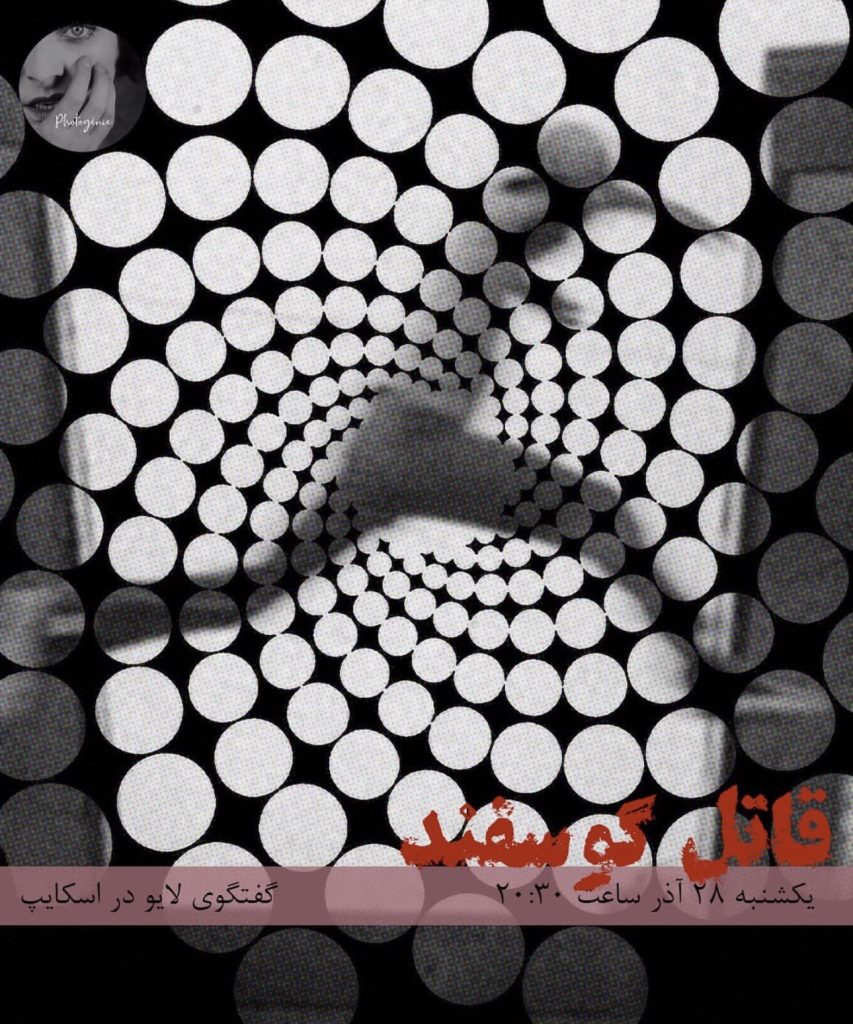
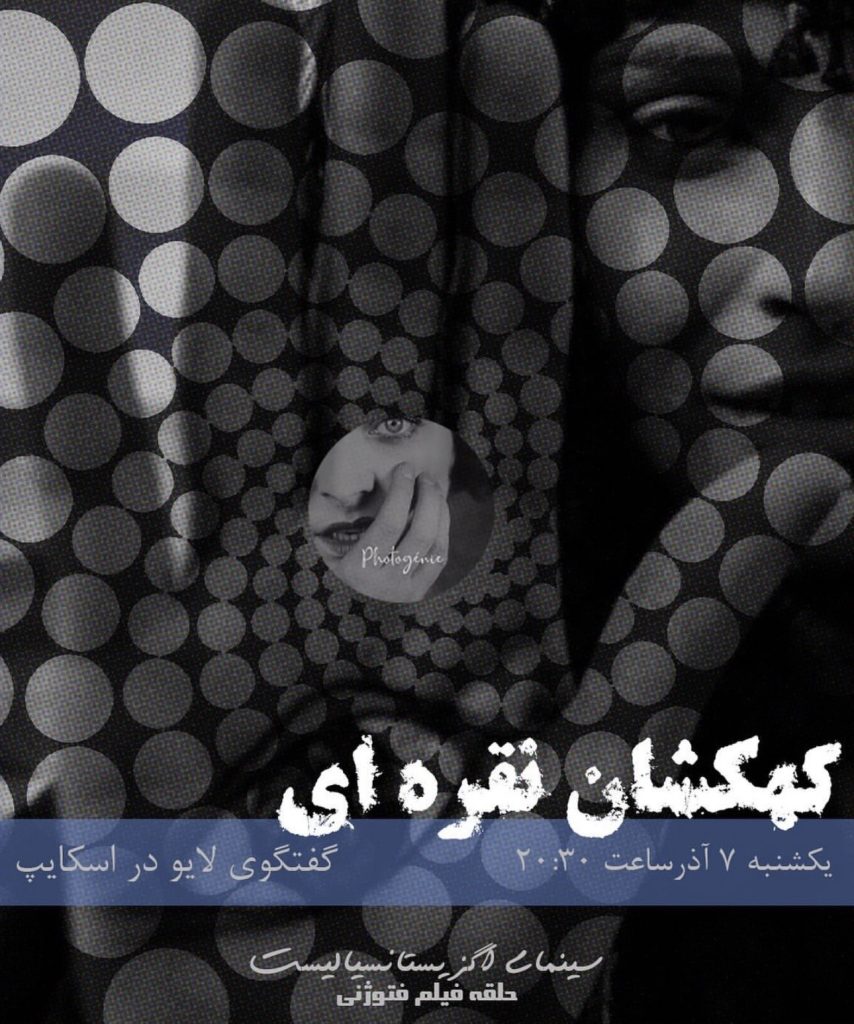
For me, cinema was initially a medium through which to experience modern life. During my formative years of transformation, it was through literature and film that I found the answers to my questions. This personal journey led me to organize a series of screenings and discussions titled “Existential Cinema.”
The manifesto for our sessions was as follows:
Existentialism seeks to unravel the meaning of human existence, and in doing so, inevitably confronts profound and often bitter concepts. Human existence is interwoven with words such as suffering, loneliness, guilt, God, death, and love. Existentialism asks: What gives meaning to human life and our existential nature? Is it destiny and divine providence that grant us identity, or must we forge our own essence alone? These are the same questions that early humans asked: Where do we come from, and where are we going? Why do we suffer? Why do we die? Is the meaning of humanity formed in this world, or the next?
Cinema, as one of the most significant Western achievements of the 20th century, possesses a dual nature. On one hand, it is an artistic triumph that draws upon other arts like literature, music, and painting; on the other, it is an industrial entity born of scientific and technological progress. Through the power of the image, this artistic-industrial phenomenon has proven its profound capacity to project our innermost philosophical anxieties onto the screen. Contemporary cinema, in particular, has visualized philosophical foundations in diverse ways—not merely drawing inspiration from philosophers, but actively influencing philosophical thought itself.
Since film—as an art-industry—is born from the imagination, thought, and ideation of the artist (the filmmaker and writer), “thought” is an inseparable component of it. It manifests through images, speech (monologues and dialogues), sound, and beyond. Aristotle, in his definition and analysis of tragedy, introduced “thought” as the third crucial element:
“Thought is present in everything characters say to prove a point or express a belief… It is the capacity to express what a situation entails or what is appropriate to it.”
Therefore, every work of art, especially drama and film, harbors a thought.
Our goal in this course was to explore existential thought and philosophy in cinema—the very mindset that modern humanity has constantly grappled with.
(Reference: “Existentialist Cinema” by William C. Pamerleau)
For our autumn program surrounding this discussion, we sat down to watch the following films:
- Salto (1965) – Tadeusz Konwicki
- A River Called Titas (1973) – Ritwik Ghatak
- Killer of Sheep (1978) – Charles Burnett
- On the Silver Globe (1988) – Andrzej Żuławski
These weekly sessions were held via Skype, under the supervision of the Photogénie Film Circle.